
How do you study efficiently?

School season is underway. Soon enough, many of us will be lugging around like lifeless zombies, struggling to comprehend the heaps of information thrown onto us. However, it doesn't have to be that way.
Most of you study for hours, expecting a good grade in return for your efforts, but it just doesn't work that way. The way you study is simply inefficient and nonsystematic. It is important to remember that quantity does not always mean quality. If your studying sessions are quality, then the total amount of time you need to study can be cut down a lot.
An efficient way to review is to review daily. Not an all-out study session, but a simple 5-10 minute review of what you learned in a specific subject is helpful enough to allow you to retain the information you learned. This is specifically helpful because this reduces the need to study a ton when it comes down to bigger tests like midterms and finals since you've been able to retain the content that was taught. Below is the Ebbinghaus' Forgetting Curve! If you review it 3 times, your retention is boosted by a lot.

Some methods that are systematic are the Pomodoro Technique and Time Blocking.
Pomodoro Technique
1)Choose a task you need to get done.
2) Set a timer(25-40 minutes)
3) Put away all forms of distractions and keep essentials(phone, electronics, noise)
4)Take a Break after the alarm rings! Take a 5-10 minute break, but don't go on your phone. Go grab some water, walk around a little, read a book, something that can carry on your focus.
5)Repeat steps 2-4! This technique can be beneficial if you're struggling to be completely immersed, or if you're just burnt out from doing work.
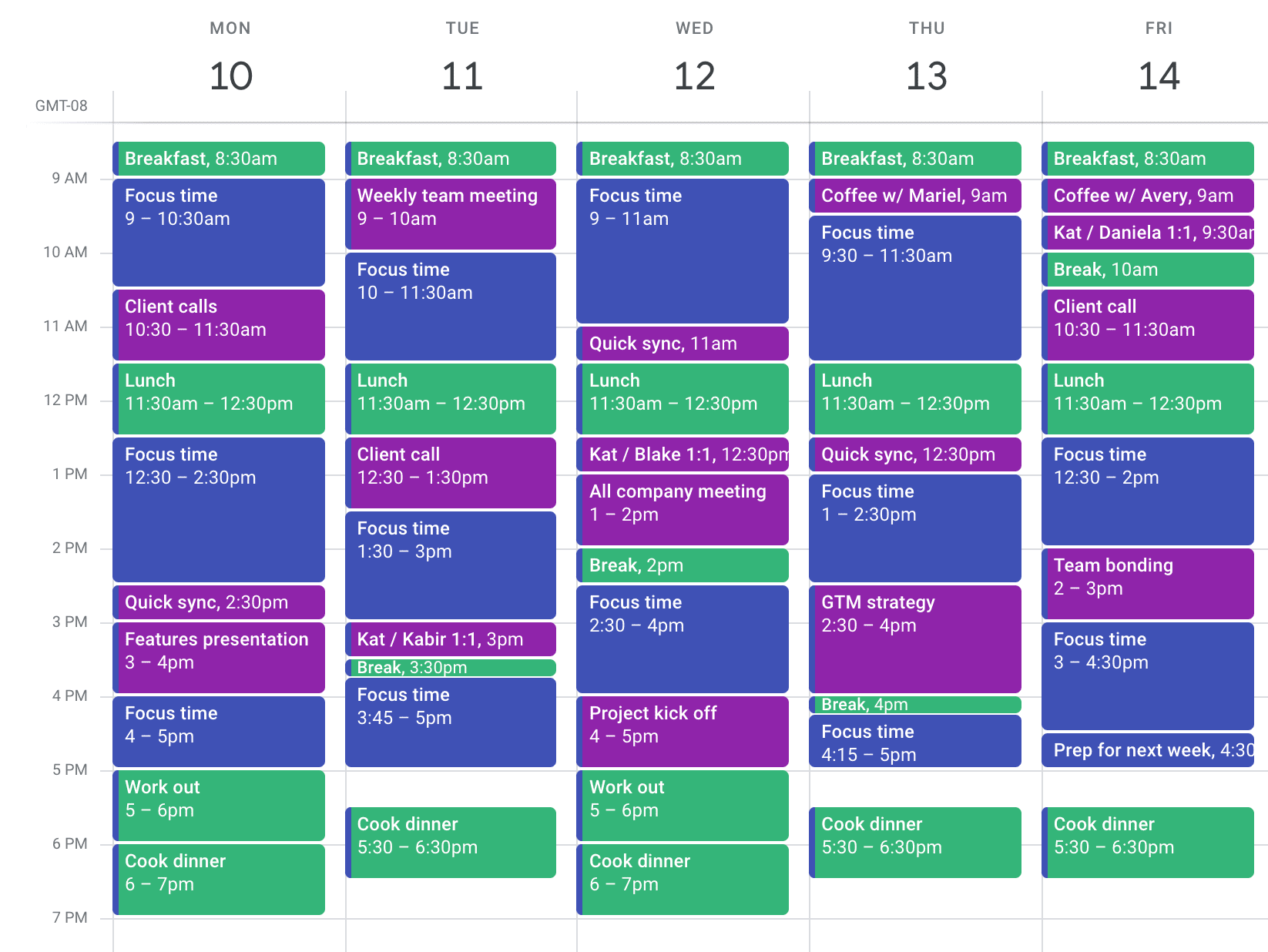
Time Blocking
Ever wonder how the extremely wealthy manage to work for 80 hours a week, yet still have time for themselves?
Well, the answer to that is time blocking. What is time blocking? It's essentially a time-management technique where you allocate blocks of time, whether it be hours or minutes, into specific tasks. When you divide your workday into certain tasks, your day becomes a lot more manageable and allows you to focus more on each task! It also gives you more motivation throughout the day, which allows for more tasks to be finished within the day. An example of time blocking would be, you could be running from 6-7 pm, and then from 7-8 you review your notes. An important thing to know is that you must brainstorm your activities before you plot them down. After you brainstorm, you should rank your tasks for the day in order, making sure you focus on your more important tasks, then your less important ones.
There are a million ways you can study. But at its core, studying is just reviewing your notes. The way you take your notes must be cohesive and organized. Normally, I would tell you to take your notes in the X method or Y method, but at the end of the day, your notes are yours. You shouldn't concern yourself with methods or formulas for note-taking, just do whatever you feel comfortable with. It works out as long as you can find what you need and comprehend what the notes are saying!